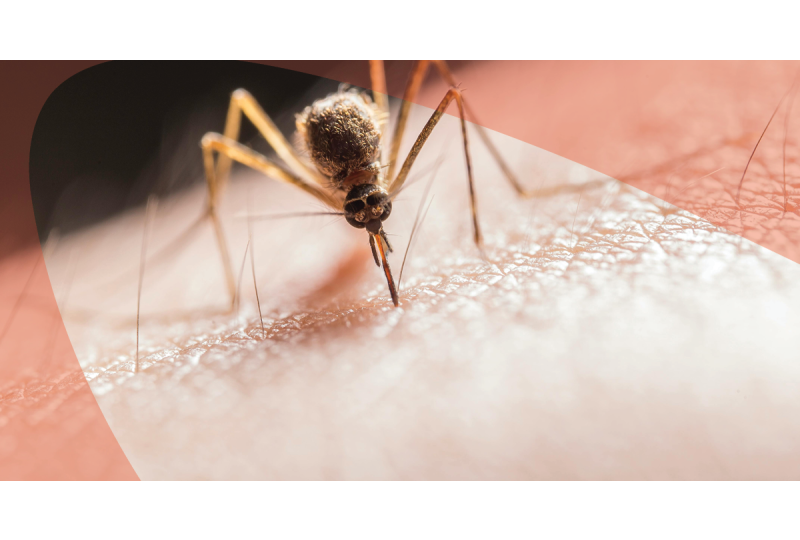
As a business owner or homeowner in Canada, you understand the growing challenge of pest infestations. With factors like climate change and urbanization contributing to the rise in pest populations, it's crucial to have effective pest control strategies in place. In this article, we'll explore common pest problems in Canada and provide you with the best solutions to safeguard your property.
Bugs: A Rising Challenge Across Canada:
In Canada, pests like bed bugs, mosquitoes, flies, ants, and rodents pose significant threats to homes and businesses. Mild winters and changing climate conditions have led to increased pest activity, making it essential to be proactive in pest management.
Instead of outsourcing pest control services, you may tackle the problem head-on by using pesticides and implementing DIY pest management strategies. By taking control of the situation and implementing effective pest control measures, you can safeguard your property and mitigate the risks associated with pest infestations.
Understanding Common Pest Control Chemicals:
Chemical treatments are vital in pest control, precisely targeting specific pests. Here are two of the most common chemicals used in pest control and their applications:
DEET:
DEET, short for N, N-Diethyl-meta-toluamide, is one of the most widely used active ingredients in insect repellents. Originally developed by the United States Army in the 1940s, DEET has since become a staple in many commercial insect repellent formulations.
What is DEET?
DEET is a synthetic chemical compound known for its effectiveness in repelling a wide range of insects, including mosquitoes, ticks, fleas, chiggers, and biting flies. It works by interfering with the insect's ability to detect human hosts, effectively masking the scent that attracts them.
What is DEET used for?
DEET-based insect repellents are commonly used to protect against mosquito-borne diseases such as malaria, dengue fever, Zika virus, and West Nile virus. They also effectively prevent tick bites, which can transmit Lyme disease and other tick-borne illnesses.
Pyrethrin:
Pyrethrin is a natural insecticide derived from the chrysanthemum flower. It has been used for centuries for its insecticidal properties and is considered one of the safest insecticides for humans and pets when used as directed.
What is Pyrethrin?
Pyrethrin disrupts the nervous system of insects upon contact, leading to paralysis and eventual death. It acts quickly and has a low toxicity to mammals, making it an ideal choice for controlling a wide range of pests.
What is Pyrethrin used for?
Pyrethrin-based insecticides are commonly used to control flying and crawling insects, including mosquitoes, flies, ants, cockroaches, fleas, and ticks. They are often formulated as aerosol sprays, dusts, or liquid concentrates for indoor and outdoor use.
Recommended Pest Control Solutions
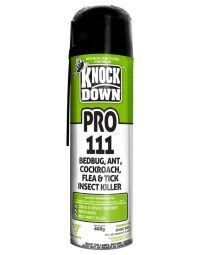
- KNOCKDOWN™ Bed Bug Killer - 400G: Say goodbye to bed bugs and fleas with this specialized insecticide spray. Its 360-degree spray can with an extension tube ensures precise application, targeting even the most inaccessible areas.
- KNOCKDOWN™ Flying and Crawling Insect Killer: This aerosol spray keeps your indoor and outdoor spaces bug-free. Formulated with Pyrethrum, it effectively controls flying and crawling insects while offering easy application with its 360° spray action.
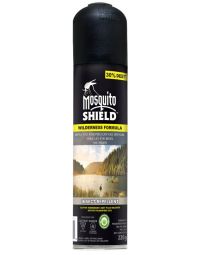
- MOSQUITO SHIELD™ Wilderness Formula - 220g: Enjoy the great outdoors without worrying about mosquitoes and other biting insects. This long-lasting formula provides reliable protection against various pests, perfect for outdoor adventures.
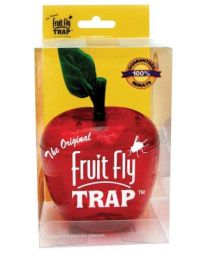
- MS0502 Fruit Fly Trap: Tackle fruit fly infestations effortlessly with this chemical-free trap. Simply bait the trap with ripe fruit and let the funnel design do the rest, preventing flies from escaping.
Implementing Pest Prevention Strategies:
Preventing pest infestations requires a proactive approach. Maintaining cleanliness, sealing entry points, and practicing proper waste management can significantly reduce the risk of pest problems. Regular inspections and early detection are also essential for identifying and addressing pest issues before they escalate.
Here are some of the ways to clean and deter pests:
- Regular Cleaning and Sanitization: Maintaining a clean and sanitary environment is crucial for deterring bugs and pests. Regularly clean and disinfect surfaces, floors, and areas where pests will likely hide or breed. Pay special attention to areas such as kitchens, bathrooms, and garbage disposal areas.
- Proper Food Storage: Store food items in airtight containers to prevent pests like ants, cockroaches, and rodents from accessing them. Clean up spills promptly and avoid leaving food crumbs or leftovers, especially overnight.
- Eliminate Standing Water: Mosquitoes and flies are attracted to standing water, which serves as a breeding ground for them. Regularly check for and eliminate any sources of standing water around your property, such as leaky faucets, clogged drains, or stagnant puddles.
- Seal Entry Points: Inspect your property for cracks, gaps, or openings that pests could use to enter your home or facility. Use caulk or weather stripping to seal gaps around doors, windows, pipes, and vents to prevent pests from gaining access indoors.
- Declutter and Remove Clutter: Pests thrive in cluttered environments where they can hide and nest undisturbed. Declutter your indoor and outdoor spaces regularly, and remove any unnecessary items that could provide harborage for pests. Keep storage areas tidy and organized to minimize potential hiding spots for pests.
With the right pest control strategies, you can protect your property from unwanted invaders and enjoy peace of mind knowing your home or business is safe and pest-free. Whether you choose chemical treatments, natural remedies, or both, staying informed and proactive is key to effective pest management in Canada.