Have a lot of surface area to clean? In today's fast-paced facility management world, staying ahead of the curve is essential for maintaining cleanliness and efficiency. One technology revolutionizing the industry is cleaning robotics. In this beginner's guide, we'll explore the basics of cleaning robotics, from key terminology to common applications, and why investing in this technology now can benefit medium —to large-scale operations.
Understanding Cleaning Robotics
Cleaning robotics refers to automated machines with intelligent sensors and algorithms that perform cleaning tasks with minimal human intervention. These robots are designed to navigate indoor spaces, detect obstacles, and efficiently clean various surfaces.
Key Terminology
Autonomous Navigation: Refers to the ability of cleaning robots to move around a space without human guidance, using sensors and mapping technology to navigate obstacles.
Autonomous Guided Vehicles (AGVs): These self-operating vehicles navigate predefined routes within a facility or workspace using onboard sensors, cameras, or lasers.
Autonomous Mobile Robots (AMRs): Autonomous mobile robots are self-guided robots equipped with sensors, cameras, and intelligent navigation systems that allow them to move autonomously in dynamic environments. Unlike AGVs, AMRs do not require fixed infrastructure such as magnetic strips or wires for navigation, making them more flexible and adaptable to changing layouts and tasks.
Obstacle Detection: The capability of robotic cleaners to detect and avoid obstacles in their path, preventing collisions and ensuring safe operation.
Mapping and Localization: Technologies used by robotic cleaners create maps of their cleaning area and accurately determine their position within the environment, facilitating efficient and systematic cleaning patterns. Certain models are programmed to return to their dock to charge, fill, and empty tanks.
LiDAR technology: Light Detection and Ranging technology is a remote sensing method that uses laser pulses to measure distances to objects, creating precise 3D representations of the environment. In the context of robotic cleaning equipment, LiDAR enables robots to navigate and map indoor spaces accurately, avoiding obstacles and efficiently performing cleaning tasks.
Battery Life: Determines how long a cleaning robot can operate on a single charge, impacting its cleaning efficiency and coverage area. Lithium-ion, nickel-metal hydride (NiMH), and lead-acid batteries are common types. The choice of battery type impacts factors such as runtime, charging time, and overall performance of the robotic cleaner.
Smart Sensors: Sensors that enable cleaning robots to detect and avoid obstacles, ensuring safe and efficient operation.
Common Types of Robotic Cleaning Equipment
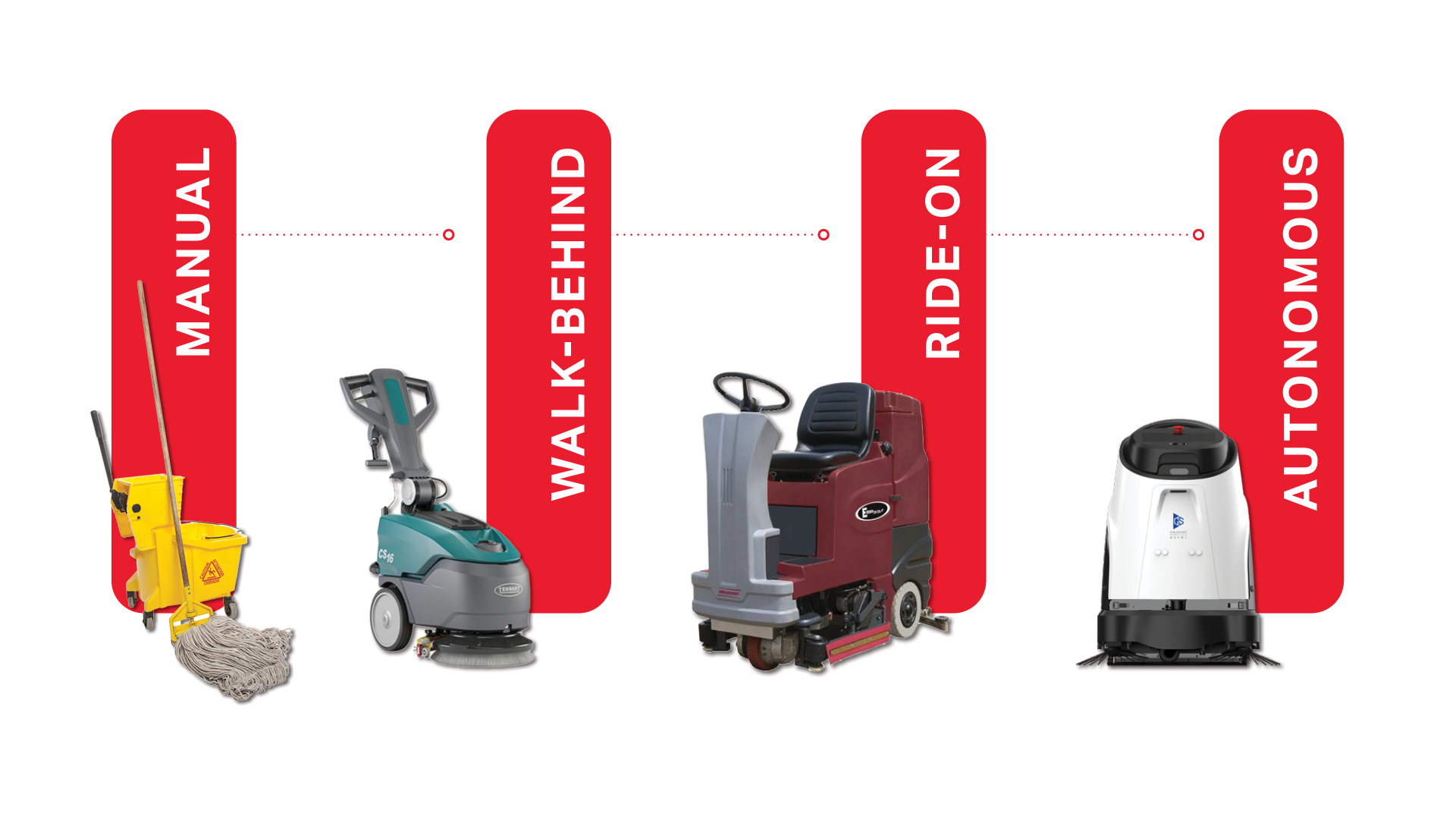
In the cleaning industry, robots are becoming increasingly important. They fall into two categories: autonomous guided vehicles (AGVs) and autonomous mobile robots (AMRs). AGVs follow simple programming, while AMRs offer more advanced navigation and flexibility, making them ideal for various cleaning tasks in commercial settings.
Among the various types of cleaning robotics, autonomous floor scrubbers and vacuums stand out for their efficiency and effectiveness:
-Autonomous Floor Scrubbers
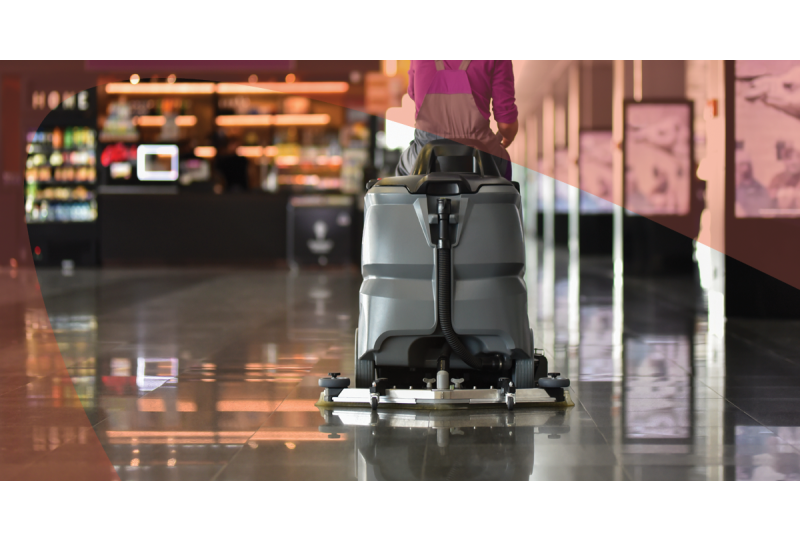
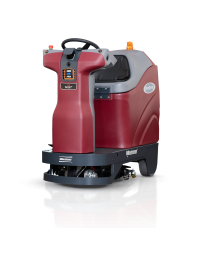
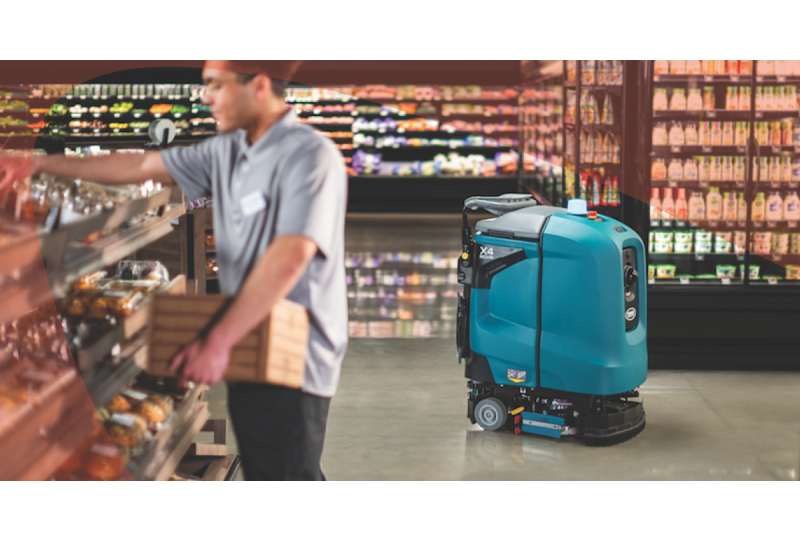
Ideal for large floor areas, autonomous floor scrubbers offer hands-free cleaning of hard surfaces, delivering consistent results with minimal manual effort. Some models now come in compact sizes, enabling them to navigate small and cluttered spaces.
Swish Recommends:
Tennant® X4 ROVR Autonomous Floor Scrubber - 20
Candroid® ECOBOT Scrub 50 - 20"
Minuteman® RoboScrub 20 Floor Scrubber - 20"
- Autonomous Vacuums
Designed to clean carpets, rugs, and hard floors, autonomous vacuums navigate seamlessly through indoor spaces, efficiently removing dirt and debris for a spotless finish.
Swish Recommends:
Candroid® ECOBOT 40 Autonomous Vacuum - 22"
Why Invest In Robotics Now?
Investing in cleaning robotic equipment offers several benefits for facility managers:
Enhanced Efficiency: Autonomous cleaning robots operate independently, enabling your staff to divert their attention to alternative tasks and boost overall productivity.
- Improved Cleaning Quality: With advanced sensors and precision cleaning capabilities, robotic cleaners ensure thorough and consistent cleaning results, maintaining high standards of cleanliness.
- Cost Savings: Although the upfront cost may appear high initially, the long-term cost savings from reduced labour and increased efficiency make cleaning robotics worthwhile.
Collaborative Robotics in Cleaning
Collaborative robots, or co-bots, work alongside human cleaners to streamline operations in the cleaning industry. These robots handle repetitive and physically demanding tasks like floor scrubbing and vacuuming, freeing human workers to focus on more specialized and value-added cleaning activities. By working together, robots and human cleaners can achieve higher levels of cleanliness and productivity than either could accomplish alone.
Enhancing Cleaning Workforce Productivity
You can optimize your workforce's productivity by incorporating cleaning robotics into their operations. Human cleaners can program and supervise robotic cleaners, ensuring they complete tasks to the desired standards. This collaborative approach allows cleaners to allocate their time and energy more effectively, focusing on tasks that require human judgment, attention to detail, and customer interaction.
Things To Consider When Purchasing Robotic Cleaning Equipment
Cleaning Performance: Assess the cleaning capabilities of the robot as applicable, including its suction power, scrubbing efficiency, and ability to remove various types of debris from different surfaces.
Navigation and Mapping: Evaluate the robot's navigation and mapping capabilities, including its ability to navigate complex environments, avoid obstacles, and create accurate maps for efficient cleaning.
Battery Life and Charging: Consider the runtime and charging time of the robot's battery and the type of battery used to ensure adequate coverage and minimal downtime during cleaning sessions.
Compatibility and Integration: Determine whether the robot is compatible with your existing cleaning equipment, systems, and workflows, and consider its integration capabilities with other smart technologies or platforms.
Maintenance and Support: Assess the availability of maintenance services and warranty coverage for the robot, as well as replacement parts and accessories, to ensure smooth operation and longevity of the device.
Overcoming Cost Concerns
While the initial investment in autonomous cleaning machines may seem daunting, it's essential to consider the long-term benefits they offer. Analyzing costs and benefits can reveal potential savings in labour expenses. Improved cleaning efficiency, and reduced downtime. Additionally, exploring financing options or leasing agreements may make the upfront cost more manageable. (Contact us to find out more about our leasing options).
Simplifying Integration
Integrating autonomous cleaning machines into existing cleaning workflows may appear complex, but with proper planning and support, it can be simplified. Partnering with a reputable supplier like Swish can provide valuable guidance on system integration, ensuring a smooth transition and minimal disruption to operations. Training programs and ongoing technical support can help employees adapt effectively to the new technology.
The Importance of a Supplier Partner
Choosing the right supplier partner is crucial for successfully integrating and maintaining cleaning robotics. A reliable supplier can provide:
- Training and Support: Ensure you properly train your staff to operate and maintain cleaning robots effectively.
- Technical Assistance: Access to technical support and troubleshooting services to address any issues promptly.
- Product Upgrades: Stay up-to-date with the latest advancements in cleaning robotics technology to maximize performance and efficiency.
In navigating the adoption of autonomous cleaners, partnering with Swish provides access to expert advice on selecting the right types of cleaners, seamless implementation, comprehensive training, and ongoing service and preventative maintenance. With Swish as your partner, you can confidently embrace the future of cleaning technology while ensuring optimal performance and longevity of your autonomous cleaning solutions.
In conclusion, cleaning robotics represent a game-changer in facility management, offering unmatched efficiency, cleaning quality, and cost savings. By investing in this technology and partnering with a reliable supplier, facility managers can elevate their cleaning operations to new heights, ensuring clean, safe, and hygienic environments for occupants and visitors alike.