Maintaining hygiene and cleanliness is essential for any environment, whether home, office, or commercial space. The variety of cleaning equipment available today can be overwhelming, and it's easy to fall prey to common myths and misconceptions. This article aims to educate you on the different types of cleaning equipment and dispel some of the most persistent myths to help you make informed decisions before purchasing or leasing.
Understanding Different Types of Cleaning Equipment
- Manual Cleaning Tools:
- Brooms, Mops, Dustpans, and Buckets: These basic tools are essential for everyday cleaning. Brooms are great for sweeping debris, mops are perfect for cleaning spills and stains, and dustpans help collect dust and small particles.
- Appropriate Use Cases and Benefits: Manual tools are cost-effective, easy to use, and suitable for small to medium-sized areas. They are ideal for quick clean-ups and maintaining cleanliness between deep cleaning sessions.
- Mechanical Cleaning Equipment:
- Vacuum Cleaners:Vacuum cleaners are available in various types, including upright, canister, robotic, and handheld. Each type serves a specific purpose. Upright vacuums are powerful and cover large areas quickly, while canister vacuums offer versatility. Robotic vacuums provide hands-free operation, and handheld vacuums are great for spot cleaning.
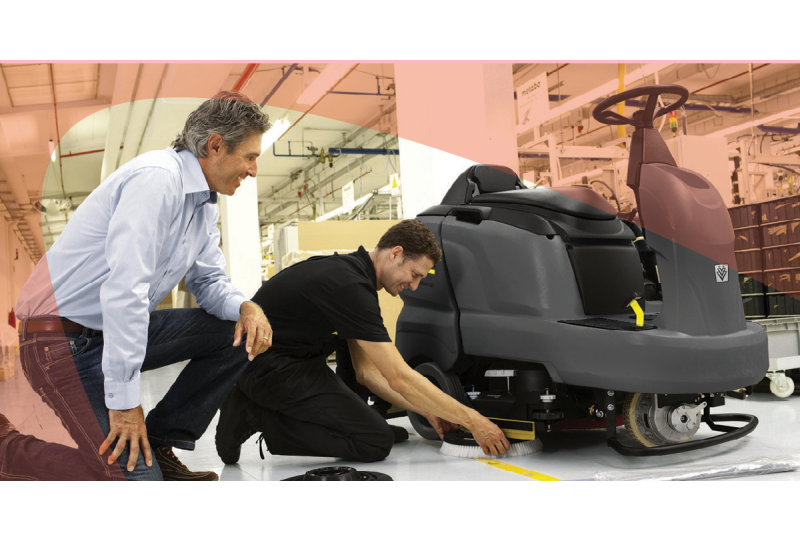
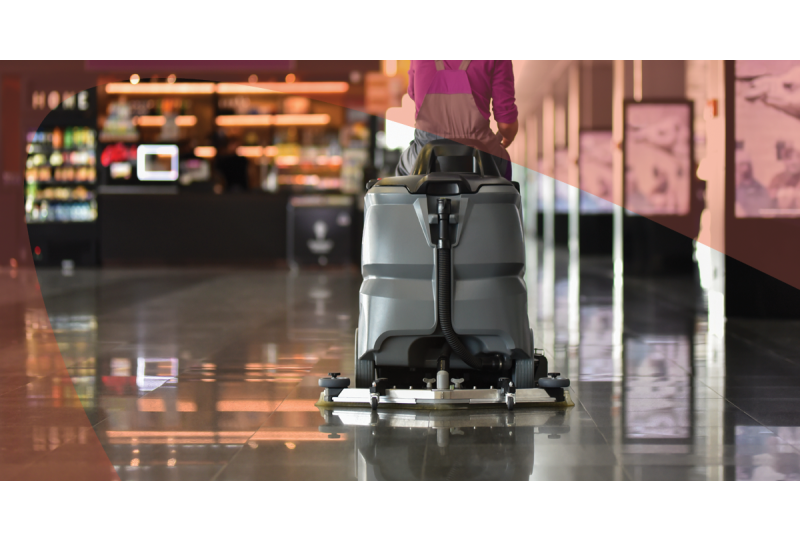
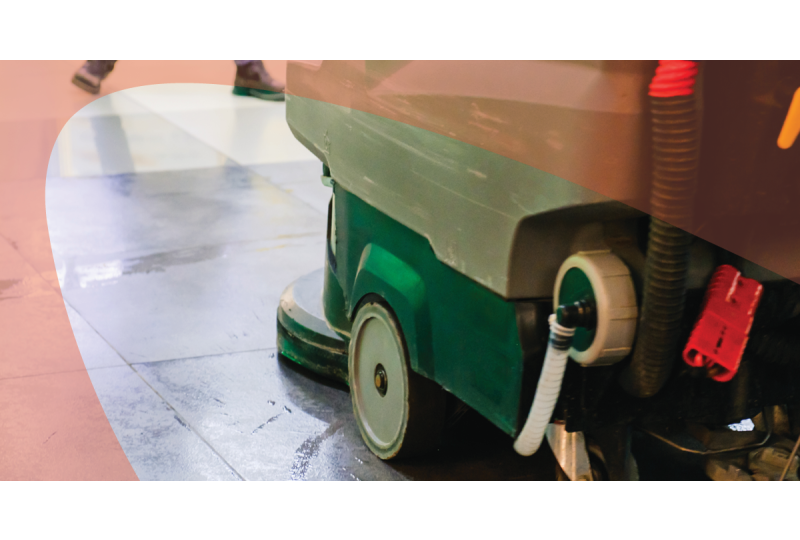
- Floor Scrubbers and Polishers: These machines are designed to clean and polish hard floors efficiently. They are perfect for commercial spaces where maintaining shiny, clean floors is essential.
- Carpet Extractors deep-clean carpets by injecting water and cleaning solution into the carpet fibres and extracting the dirty water. They are ideal for removing deep-seated dirt and stains.
- High-Pressure Cleaning Equipment:
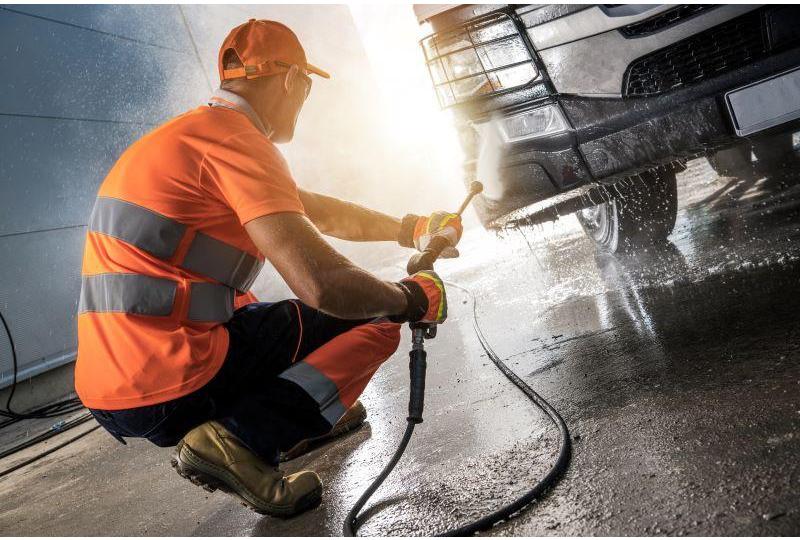
- Pressure Washers: Available in electric and gas models, pressure washers are used to clean outdoor surfaces such as driveways, patios, and building exteriors. They are highly effective at removing tough stains, mould, and mildew.
- Steam Cleaners: These cleaners utilize high-temperature steam to sanitize surfaces without chemicals, making them ideal for kitchens, bathrooms, and areas with high hygiene standards, such as hospitals and daycare centers.
Common Myths About Cleaning Equipment
- Myth 1: Higher Power Means Better Cleaning
- Reality: More power isn't always better. The effectiveness of cleaning equipment depends on matching the right tool to the task. High-powered equipment can sometimes damage delicate surfaces, like using a pressure washer with too high a PSI (pounds per square inch), which can strip paint, splinter wood, or even cause etching on softer materials.
- Myth 2: All Cleaning Products Are Safe for All Equipment
- Reality: Some cleaning chemicals can damage specific types of equipment (and mismatched surfaces!). Always use products recommended by the manufacturer to ensure compatibility and safety. Our friendly team is always on hand to help advise.
- Myth 3: Steam Cleaners Are Suitable for All Surfaces
- Reality: Steam can damage surfaces like unsealed wood, certain types of flooring, and some upholstery. It's important to know which surfaces are safe for steam cleaning.
- Myth 4: More Frequent Use Equals Shorter Equipment Lifespan
- Reality: Quality, professional machines are designed for frequent, heavy use and regular maintenance can extend the life of cleaning equipment. Proper use, timely servicing, and following manufacturer guidelines are crucial for durability.
- Myth 5: DIY Maintenance is Always Cheaper and Better
- Reality: While DIY maintenance can save money upfront, professional servicing ensures that equipment is properly cared for and can prevent costly repairs in the long run. You can read our article about improving dishwasher reliability here.
Tips for Choosing the Right Cleaning Equipment
- Assess Your Needs:
- Identify your environment's specific cleaning challenges. Based on their cleaning needs, different spaces require different types of equipment.
- Consider the Total Cost of Ownership:
- Look beyond the initial purchase price. Consider maintenance, operational costs, and the expected lifespan of the equipment.
- Evaluate Ease of Use and Training Requirements:
- User-friendly equipment can improve efficiency and reduce the likelihood of misuse. Ensure that adequate training resources are available.
- Look for Safety Features:
- Key safety features such as high-traction surfaces, automatic shut-off, and ergonomic designs can enhance safety and prevent accidents.
Understanding and properly using cleaning equipment is essential for maintaining a clean and safe environment. By dispelling common myths and making informed decisions, you can ensure that you select the right tools for the job, maximize efficiency, and maintain high standards of cleanliness. Find out more about our equipment services here and contact us today!