A clean and hygienic classroom is essential for creating a conducive learning environment. In today's world, maintaining a high standard of cleanliness is even more critical to ensure the health and safety of students and educators. But what does it take to master the art of classroom cleaning?
This guide will explore key touchpoints, common types of dirt and debris, and the tasks you need to keep your classroom pristine. We'll also share some pro tips to make cleaning more efficient and effective.
The Importance of Classroom Cleanliness
Before diving into the nitty-gritty of classroom cleaning, it's crucial to understand why maintaining a clean classroom is of utmost importance:
Health and Safety
A clean classroom reduces the risk of illness by preventing the spread of germs and viruses. Students and teachers are more likely to stay healthy in a clean environment.
Improved Focus
A clean, clutter-free classroom helps students concentrate better. A tidy space can have a positive impact on both learning and teaching.
Longevity
Regular cleaning extends the lifespan of classroom furniture and equipment, saving schools money in the long run.
Professional Image
A well-maintained classroom reflects positively on the school and its staff. It shows that you care about the environment in which students learn.
Key Touchpoints for Classroom Cleaning
To master classroom cleaning, you must focus on specific areas and items that accumulate dirt and germs. Here are the key touchpoints to focus on:
⬜ Desks and Tables
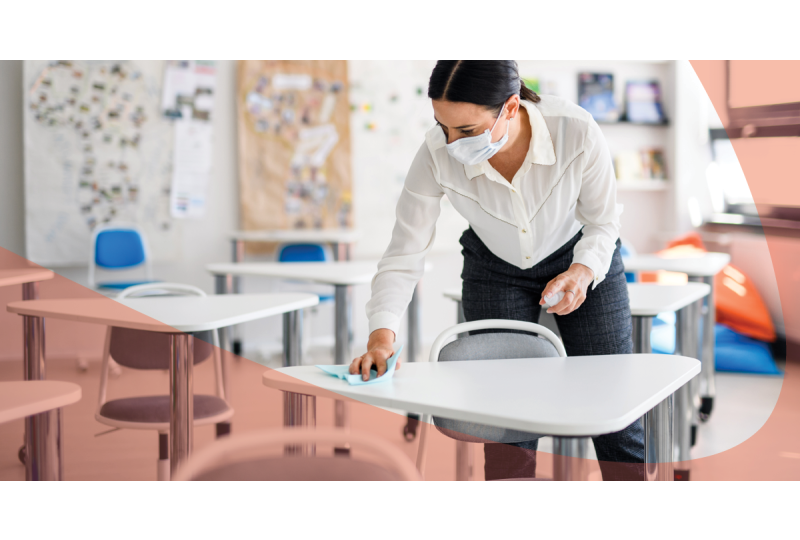
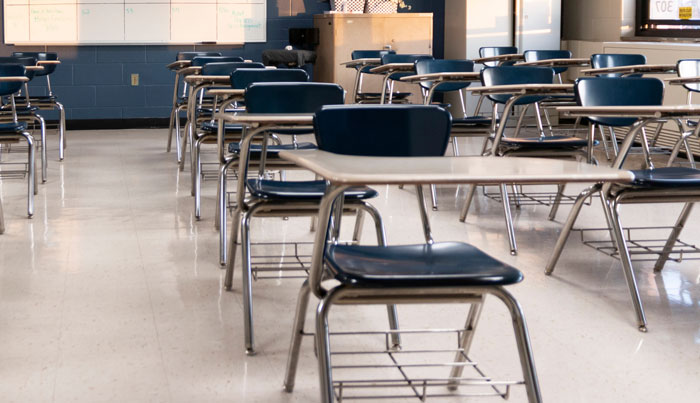
Use appropriate cleaning products to clean and disinfect desks and tables regularly. Encourage students to use personal desk mats or wipes to maintain cleanliness.
⬜ Chairs and Seating
Clean chairs and seating surfaces daily, paying attention to armrests and backs
⬜ Doorknobs and Handles
Disinfect door knobs and handles multiple times daily, especially during flu seasons or outbreaks.
⬜ Light Switches
Clean and disinfect light switches daily, particularly in shared spaces like hallways and restrooms. Handy wipes like Swish® Sanitary Wipes are registered with Health Canada with 70% Isopropyl alcohol and come in an easily portable canister with a flip-top for convenient and hygienic dispensing.
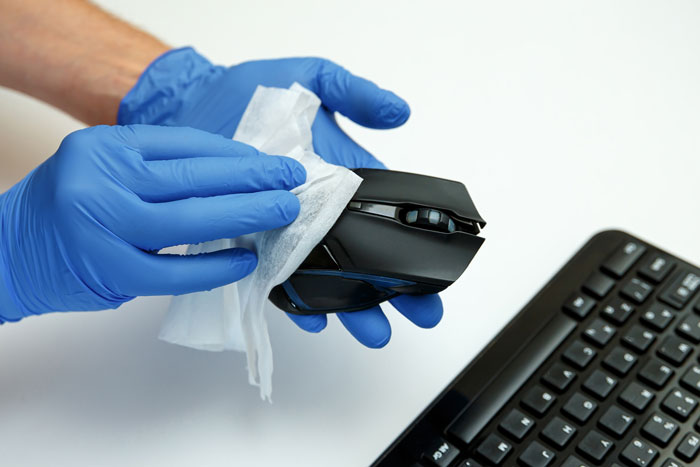
⬜ Shared Electronics: Wipe down shared electronics like computers and keyboards daily with disinfectant wipes or microfiber cloth and appropriate disinfecting solution.
⬜ Whiteboards or Chalkboards: Erase and clean these surfaces regularly, ensuring markers and erasers are also clean.
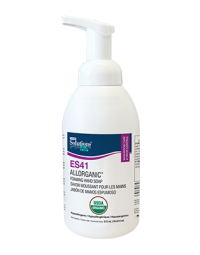
⬜ Sink Facilities: Routinely clean and disinfect faucet handles and keep well-stocked with soap and paper towels. We recommend Enviro-Solutions® ES41 AllOrganic Foaming Hand Soap, which is USDA Organic certified and readily biodegradable.
⬜ Classroom Supplies
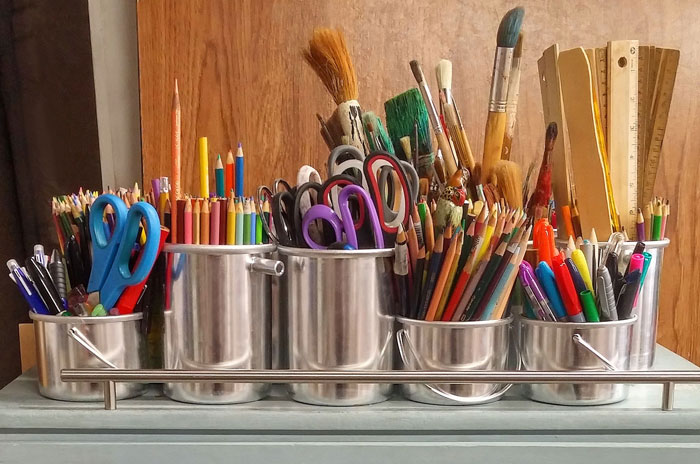
Regularly clean and disinfect shared supplies. Encourage students to use their own when available and assign individual supplies when feasible.
⬜ Trash Bins: Empty and regularly clean trash bins to prevent waste buildup and potential contamination. Clearly labelled waste systems like Rubbermaid’s Slim Jim® Recycling Stationprovide a central location for easy and eco-responsible waste collection.
⬜ Teacher's Desk and Workstation: Teachers should clean and disinfect their workspace daily, paying particular attention to commonly touched items like tablets, keyboards and computer mice.
⬜ Cubbies or Lockers: Clean and disinfect cubbies and lockers regularly, and encourage students to tidy their personal spaces.
⬜ Windows
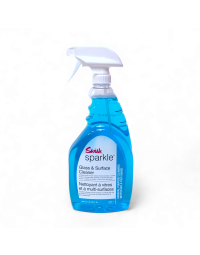
Clean windows to ensure maximum natural light and a clear view. Swish® Sparkle Glass & Surface Cleaner is a residue-free formula that eliminates spotting, film, and streaking on surfaces and dries crystal clear.
⬜ Flooring: Vacuum and mop floors regularly to remove dirt and germs. Consider placing doormats at entrances to reduce the transfer of contaminants from outside, like Edgewood Poly-Tuft™ Mat wiper matwith level cut pile and durable vinyl backing for lasting performance.
Common Types of Dirt and Debris & Germs
Understanding the types of dirt and debris commonly found in classrooms will help you tackle cleaning effectively. These include:
- Dust: Dust accumulates on surfaces, causing allergies and respiratory issues. Regular dusting using microfibre cloths helps to trap dust particles.
- Crayon Marks and Ink Stains: Students often leave marks on walls and desks. Erase these promptly.
- Spills and Stains: Food and drink spills can lead to sticky and stained surfaces. Clean these up quickly.
- Graffiti: Sometimes, students may write on walls or furniture. Remove graffiti promptly to maintain the classroom's appearance. Claire® Gel Vandal & Graffiti Remover is effective for removing crayon, ink, spray paint, waxes, tape marks, and scuff marks. While, Swish® Powerhouse™ Spray & Wipe Cleaneris a powerful multi-purpose cleaner that quickly dissolves and emulsifies stains, soils and even graffiti.
- Mould and Mildew: Check for signs of mould and mildew, particularly in damp areas. Remove and address the source of moisture.
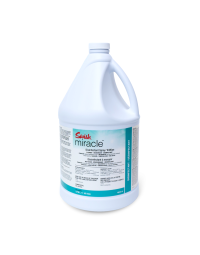
- Bacteria & Viruses: Cross-contamination across high-touch surfaces, pathogens (a bacterium, virus, or other microorganism that can cause disease). Swish® Miracle Disinfectant Spray & Wipe Cleaneris a safe, fast, acting broad-spectrum cleaner and disinfectant registered with the EPA in the U.S. and DIN in Canada.
Pro Tips for Effective Classroom Cleaning
To become a classroom cleaning pro, consider these tips:
Establish a Cleaning Schedule
Create a regular cleaning schedule to ensure consistent and thorough cleaning of all areas.
Assign Cleaning Tasks
Delegate specific cleaning duties to give staff clear responsibilities, educate students about the importance of cleanliness, and engage them in maintaining their personal spaces.
Choose the Right Cleaning Products & Tools
Select cleaning products suitable for various surfaces, prioritizing eco-responsible and classroom-safe options.
Follow Dilution Instructions
Dilute cleaning products according to the manufacturer's recommendations for optimal effectiveness, safety and resource savings.
Focus on High-Touch Areas
Pay extra attention to high-touch surfaces such as desks, chairs, light switches, and doorknobs to eliminate potential germ hotspots.
Regular Disinfection
Increase the frequency of disinfection during flu seasons or outbreaks to kill germs and prevent their spread effectively.
Apply Disinfectants Properly
Ensure disinfectants are applied correctly, following the recommended dwell time or duration they need to stay on the surface to work effectively.
Prioritize Ventilation
Maintaining proper classroom ventilation for healthy air quality promotes a conducive learning environment.
Organize Cleaning Supplies: Keep cleaning supplies well-organized for easy access, streamlining the cleaning process.
Conduct Regular Inspections
Regularly inspect the classroom to identify and address cleaning needs, ensuring consistent cleanliness promptly. Improve your cleaning program by enlisting our expertise with specialist facility assessments that use data-driven precision cleaning and unveil hidden surface contamination and improving your cleaning program.
Embrace Eco-Responsible Practices
Incorporate environmentally responsible cleaning methods to reduce environmental impact and enhance classroom health. Look for Ecologo, USDA-Certified Organic, and FSC-certified solutions that are safer for your students and staff.
Explore Automated Cleaning
Consider implementing automated, robotic cleaning systems, like Tennant® T7AMR Robotic Floor Scrubber or Minuteman® RoboScrub 20 Floor Scrubber, to save time and boost efficiency. For time-strapped teams, robotic cleaning machines let you:
- Re-assign tasks so your employees can work on more strategic and valuable activities.
- Program automated cleaning robots to operate during off-peak hours, such as nights or weekends, to minimize disruptions to the learning environment.
- Analyze cleaning data to optimize your cleaning schedules and identify high-traffic areas requiring more frequent attention.
- Automate repetitive and sometimes physically demanding tasks, reducing the risk of injuries to your cleaning staff.
- Use less water and chemicals with eco-responsible models
Understanding Cleaning, Sanitizing, and Disinfecting
Maintaining a clean and healthy classroom requires more than just wiping surfaces with a cloth. It involves a two-step process: differentiating cleaning, sanitizing, and disinfecting.
Step 1: Cleaning
Cleaning is the initial step and is crucial for removing heavy soils, grease, or organic materials from surfaces. This process involves the physical removal of dirt, dust, and debris. Cleaning helps prepare the surface for the subsequent steps of sanitizing and disinfecting.
Step 2: Sanitizing and Disinfecting
Sanitizing and disinfecting go hand in hand but serve slightly different purposes:
- Sanitizing: Sanitizing reduces the number of germs and bacteria on surfaces to a safe level. It is less aggressive than disinfecting but essential for maintaining a hygienic classroom environment.
- Disinfecting: Disinfecting is a more thorough process that kills a broader spectrum of germs, including viruses and bacteria. Disinfectants must have a Drug Identification Number (DIN) to comply with Canadian law. This step is particularly crucial during flu seasons or in infectious outbreaks.
Swish's Team of Experts can provide the right products and guidance for sanitizing and disinfecting. They can advise on the correct application, including the proper amount and dwell time, as well as provide the proper training and ensure the safety of your employees.
Whether educating students or maintaining the cleanliness of your facility, you can be confident that the health and safety of all occupants is the Swish Team's number one priority. The proper cleaning and disinfection protocols are paramount in creating a safe and productive learning environment.
Swish Clean Checkup™
Need help assessing your facility? Swish's Team of Experts can visit your educational facility and help verify your cleaning processes and make uncover opportunities. We use visual validation tools uncovers hidden surface contamination, ensuring a higher level of cleanliness. It provides data-driven precision for your cleaning program, offering a comprehensive solution to maintain a pristine and safe classroom environment. Find out more and request an assessment here.
Promoting Hand Hygiene: Limiting Cross-Contamination
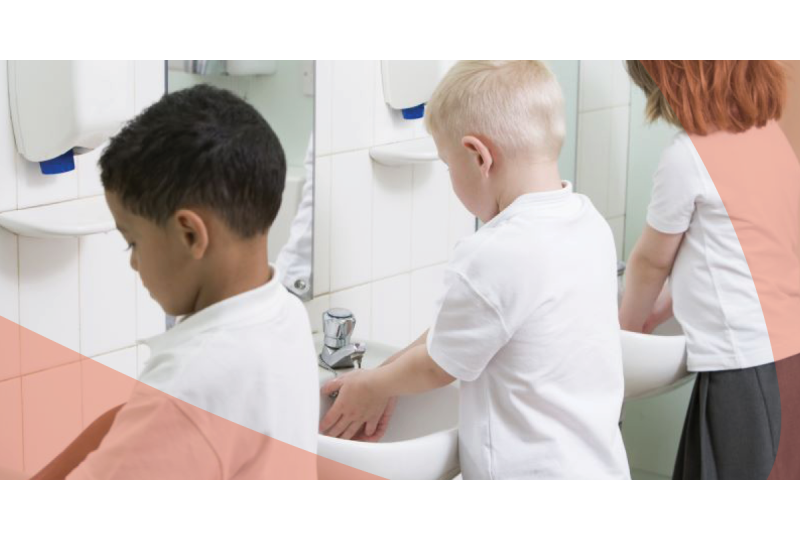
An article about infection prevention isn’t complete without mentioning hand hygiene, as it is critical to maintaining a clean and healthy classroom environment. Proper hand hygiene protocols help to reduce cross-contamination in the first place, so it's essential to provide hand hygiene products and encourage regular handwashing. You can read more about promoting hand hygiene in educational facilities in our blog here.
In conclusion, mastering the art of classroom cleaning is about consistency, attention to detail, and a commitment to creating a clean and safe environment for students. By focusing on critical touchpoints, understanding common types of dirt, and implementing pro tips, you can ensure your classroom is a welcoming and healthy space for learning. So, grab your cleaning supplies and start the journey to a pristine and inviting classroom!