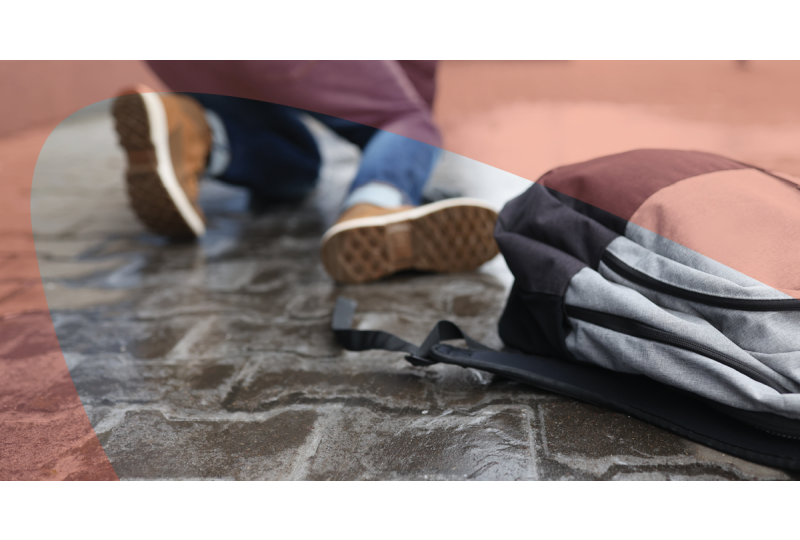
Winter can be a beautiful season, but the colder temperatures and unpredictable weather bring unique challenges for facility managers and building maintenance teams, especially those in Canada. Snow, ice, and slush lead to slippery surfaces, both indoors and out, creating serious safety hazards. Slip-and-fall accidents are among the most common incidents during winter, and they can be costly in terms of injury, liability, and facility damage. In fact, every year, more than 40,000 Canadians are involved in slip-and-fall accidents, costing the economy a whopping $6 billion.
Keeping your facility safe during winter requires proactive maintenance, proper safety protocols, and the right cleaning products. Explore how to identify and address slippery surfaces in and around your facility to ensure the safety of everyone who steps through your doors.
1. Prevent Ice and Snow Buildup Outside the Facility
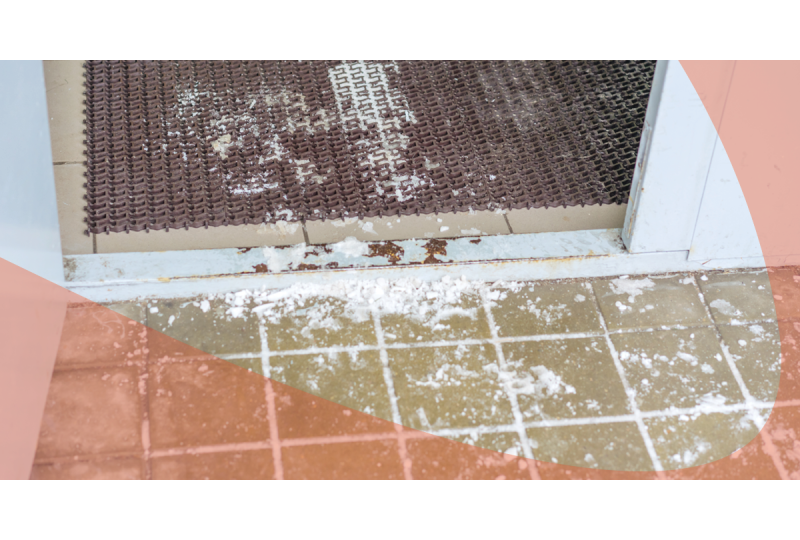
The first step to maintaining safe surfaces starts outside your building. Snow and ice buildup in entryways, walkways, and parking lots, creates hazards for pedestrians and increases the risk of snow and water being tracked indoors.
To minimize these risks, applying ice melt early and often is key. Two highly effective products to consider are:
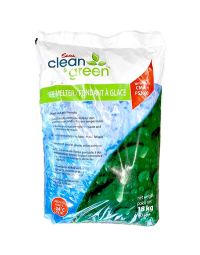
- Swish Clean & Green® Ice Melter: This environmentally responsible ice melt is tough on icy surfaces, but gentle on surrounding landscapes. Its fast-acting formula reduces slip hazards and is deemed safe to use on concrete and other surfaces. It also has a much more visible colouring than rock salt which can blend into snow, making it hard to tell how much you have applied.
- Swish® Ice Rid+: For larger outdoor walkways or facilities with high foot traffic, Swish’s Ice Rid+ provides an industrial-strength solution to clearing ice. It quickly breaks down ice in temperatures up to -32°C, preventing dangerous buildup and keeping pathways clear.
As part of your maintenance routine, ensure these ice melts are applied regularly, especially ahead of storms or freezing temperatures. An even spread will prevent the formation of ice patches and keep walkways safer for everyone.
2. Establish Your Entrance Matting System
Once ice and snow are managed outside, your focus should shift to the building's entryways. These areas are prone to becoming wet and slippery as people track in snow and moisture. A robust entrance matting system is essential for stopping water, salt, and dirt from spreading across your facility's floors.
At the heart of effective building maintenance is a 3-step matting system which includes:
- Outdoor scraper mats to capture large debris and snow. Heavy-duty mats like the Edgewood Debris Trap™ Tile, can withstand winter days.
- Indoor Wiper/Scraper mats like the Edgewood Tundra™ Mat w/ Edgingreduce the likelihood of slippery floors and water damage.
- Drying mats like the Edgewood Everest™ Mat w/ Edging further inside reduce residual water, giving the facility an extra layer of protection.
This triple-layered defence can significantly reduce the amount of moisture that reaches your floors, cutting down on slip hazards and minimizing your cleaning workload. For more options, check out Swish’sFloor Matting productswhere you’ll find a variety of durable mats perfect for winter weather.
3. Address Indoor Hazards: Regular Floor Maintenance
Beyond the matting, facility maintenance should shift to focus on maintenance to keep floors dry and safe. Winter weather makes it almost impossible to avoid wet spots, salt residue, and slush puddles—especially when there’s so much precipitation that it comes in through clothing like boots, jackets and hats. This makes routine floor cleaning and maintenance essential to prevent these hazards from becoming dangerous.
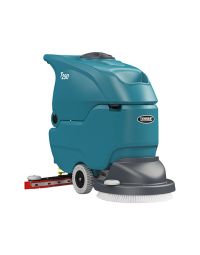
To address slippery floors efficiently, use the right equipment for the job. Floor scrubbers are particularly effective in removing winter grime, quickly cleaning common areas and leaving surfaces clear for foot traffic. The Tennant® CS16 Micro Walk-Behind Scrubber-Dryer is perfect for smaller spaces, while the Tennant® T290 Walk-Behind Self-Propel Disk Scrubber is ideal for larger facilities, offering deeper cleaning for bigger areas.
These scrubbers not only clean effectively but also dry the floor as they go, which helps reduce the chance of slips. Make sure your cleaning schedule includes regular passes in high-traffic areas, particularly near entrances and lobbies where water and slush can accumulate.
For floor spot cleaning, especially in smaller or less accessible areas, mop and bucket systems are still highly effective and shouldn’t be overlooked. The Rubbermaid® WaveBrake Downpress Bucket paired with the PerPETuator Wide Band Looped End Mop offers excellent water management and fast cleanup for spills and wet floors. This combination is especially useful in managing smaller puddles and water from snow melts throughout the day.
4. Highlight Hazardous Areas
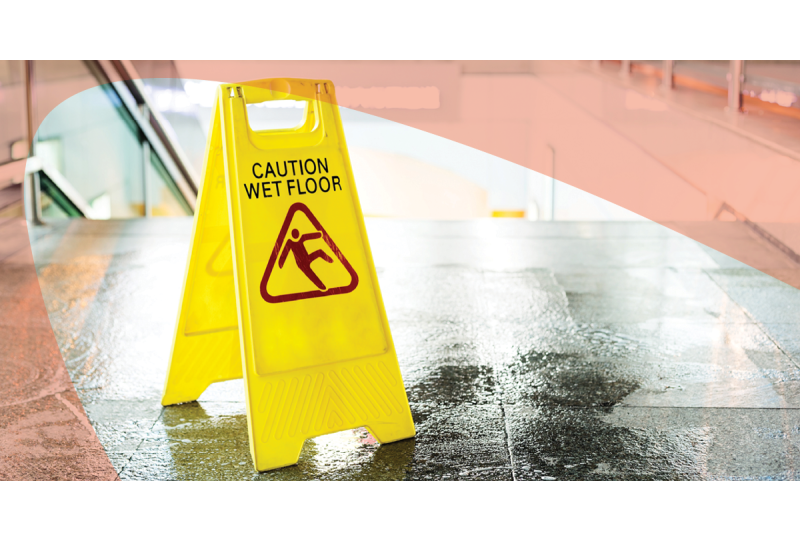
One of the most important aspects of facility maintenance is ensuring that slippery areas are clearly marked to prevent accidents. In spaces where you’re actively cleaning or where water and snow have made surfaces temporarily slippery, use highly visible signs to warn occupants.
The classic Caution Wet Floor Safety Sign is a simple yet incredibly effective tool for highlighting wet areas and preventing slip-and-fall incidents. Place these signs near entranceways, in lobbies, and anywhere that moisture accumulates during the winter months.
When snowstorms hit, be proactive in placing these signs in potential hazard zones, like near windows, entryways, or heavily trafficked corridors. Be sure to stock up on multiple signs if you have a larger facility or multiple entryways.
5. Establish a Winter Maintenance Plan
A comprehensive winter maintenance plan is critical for keeping your facility safe and operational throughout the cold and stormy months. A consistent cleaning schedule and trained staff ensure that hazards are identified and addressed promptly. Here are some key components to include in your winter safety and facility maintenance plan:
- Ice Melt Application: Regularly apply ice melt products at all exterior entrances, walkways, and parking lots. Ensure application before snow or ice accumulation begins.
- Frequent Floor Checks: Check high-traffic areas throughout the day to catch moisture buildup early. If snow is tracked inside, clean and dry the area immediately with mops or floor scrubbers.
- Matting and Equipment Upkeep: Keep mats clean and rotated to ensure they continue trapping dirt and moisture effectively. Regular maintenance of scrubbers and vacuums will ensure your cleaning efforts are efficient and effective.
- Safety Protocols: Educate staff on the importance of signage and quick responses to spills or tracked-in snow. Having wet floor signs on hand allows them to quickly mark hazardous areas while cleaning is underway.
Navigating winter hazards requires a proactive approach to both outdoor and indoor maintenance. From applying ice melt to prevent ice buildup outside to managing moisture and salt indoors, the right tools and a clear strategy can make a difference in reducing slip-and-fall risks.
Stay ahead of winter hazards and keep your facility safe by shopping at Swish today! VisitSwish to explore our range of ice melts, matting solutions, floor scrubbers, and safety products designed to help you face the challenges of winter with ease.