As the seasons change, so do the challenges faced by your facility. With fall bringing leaves and debris and winter ushering in snow, ice, and slush, it's crucial to prepare your facility with the right matting solutions. Properly transitioning your mats for the colder months ensures safety, cleanliness, and protection for your flooring. Here's why updating your entrance mats and considering other matting solutions throughout your facility is vital for the upcoming seasons.
The Importance of Fall and Winter Matting
Safety First: The main concern during the fall and winter months is the increased risk of slips and falls due to wet and slippery surfaces. Winter mats, designed with enhanced grip and absorbent properties, help reduce these risks by effectively capturing moisture, ice, and dirt. By transitioning to mats specifically designed for fall and winter, you can ensure your facility's floors remain dry and safe for everyone.
Moisture and Debris Management: Fall mats excel at scraping off and containing leaves and debris that get tracked in, while winter mats are equipped to handle snow and slush. This dual protection keeps your facility cleaner and prevents moisture from spreading across the floors, which can lead to water damage and mould growth.
Protecting Your Investment: Harsh de-icing chemicals and salt's abrasive nature can significantly damage flooring surfaces. Winter mats act as a barrier, protecting your floors from these substances and preserving their longevity. This is particularly important for high-traffic areas, where the wear and tear on the floors can be substantial.
Don’t Wait Until The First Frost
As the temperatures drop, you might be tempted to wait until winter to switch to winter matting, but fall presents unique challenges you shouldn't overlook. Wet leaves, dirt, and debris can quickly be tracked indoors, creating more mess and slip hazards than snow and slush. An effective entrance matting system is crucial in the fall to trap this debris at the door, keeping your facility cleaner and safer before winter hits. Don't wait until the first snowfall—start transitioning matting before fall.
Fall & Winter Matting Tips:
Start Early: Don't wait for winter; begin your matting transition in early fall to capture leaves, mud, and other debris that can be more problematic than winter snow.
Use a 3-Step Matting System: Incorporate a scraper mat outside to remove larger debris, a wiper/scraper mat in the vestibule to clean off finer particles, and a wiper mat inside to dry shoes and trap moisture.
Extend Matting Coverage: Ensure mats are long enough (15-18 feet) to allow multiple steps on the matting, maximizing dirt and moisture removal.
“15-18’ of matting will remove up to 80% of debris and moisture from footwear.”
Focus on High-Traffic Areas: Place matting in areas like entrances, lobbies, and transition zones where debris is most likely to be tracked inside.
Regular Maintenance: Clean and maintain your mats frequently to prevent dirt build-up and ensure they continue to function effectively throughout the season.
The 3-Step Entrance Matting Solution
Implementing a 3-step entrance matting system is a proactive approach to tackling the increased dirt, moisture, and debris that accompany fall and winter. This system involves:
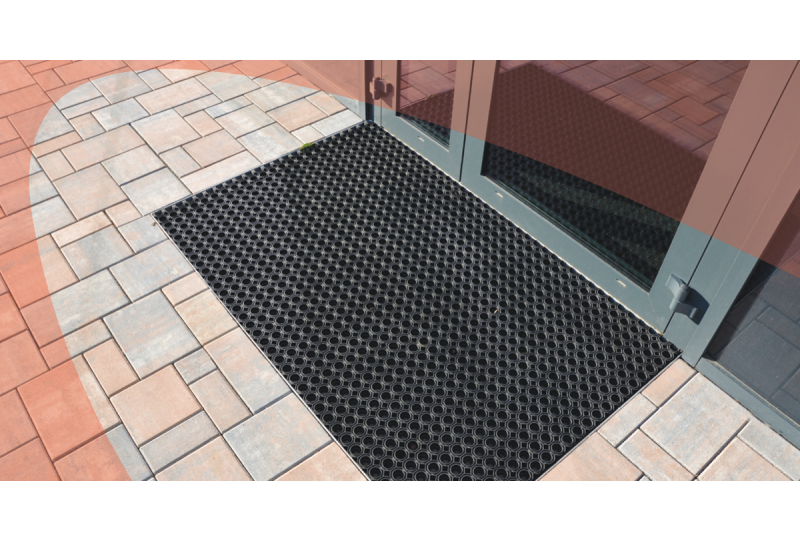
- Scraper Mats: Placed outside the entrance, these mats are designed to remove larger particles such as dirt, snow, and ice from footwear before they enter the building. We recommend Edgewood Gritstop Fingermat™ - Black 36"x72" or Edgewood Debris Trap™ Tile - 1'x1.5'.
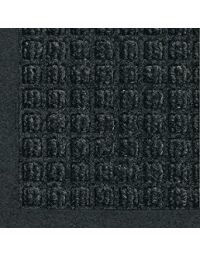
- Transition Mats: These mats are situated in the foyer or lobby and work to capture smaller particles and additional moisture. They act as a secondary defence, ensuring that any remnants left after the scraper mat are addressed. A great option is Waterhog™ Classic Mat - Charcoal 3'x5'.
- Finishing Mats: Installed inside the facility, these mats are meant to absorb any remaining moisture and dirt, providing a final layer of protection before people fully enter your space. Check outEdgewood Poly-Tuft™ Mat w/ Edging - 3'x5'.
This 3-step system enhances the overall cleanliness of your facility and reduces maintenance needs by minimizing the amount of debris and moisture that reaches your floors.
Beyond the Entrance: Other Matting Considerations
While entrance mats are critical, it's equally important to consider matting solutions throughout your facility. Key areas to focus on include:
- Restrooms and Kitchens: These areas are prone to spills and moisture. Mats with high absorbency and anti-slip features can prevent accidents and keep these spaces clean.
- Hallways and Corridors: Heavy foot traffic in these areas can track dirt and moisture further into the facility. Placing durable and absorbent mats in these spaces can mitigate this issue.
- Break Rooms and Cafeterias: Food and drink spills are common in these areas. Mats designed to handle such spills can protect your floors and make cleanup easier.
- Workstations and Service Areas: Mats that provide comfort and reduce fatigue can benefit employees who stand for long periods, enhancing their well-being and productivity.
Conclusion
Transitioning to the right mats for the fall and winter seasons is an investment in the safety, cleanliness, and longevity of your facility. By implementing a comprehensive matting strategy, including a 3-step entrance matting system and mats throughout key areas, you can ensure your facility is well-prepared to handle the challenges of the colder months. Remember, a small investment in the right matting solutions can lead to significant savings in maintenance and repairs down the line, keeping your facility safe and inviting year-round.