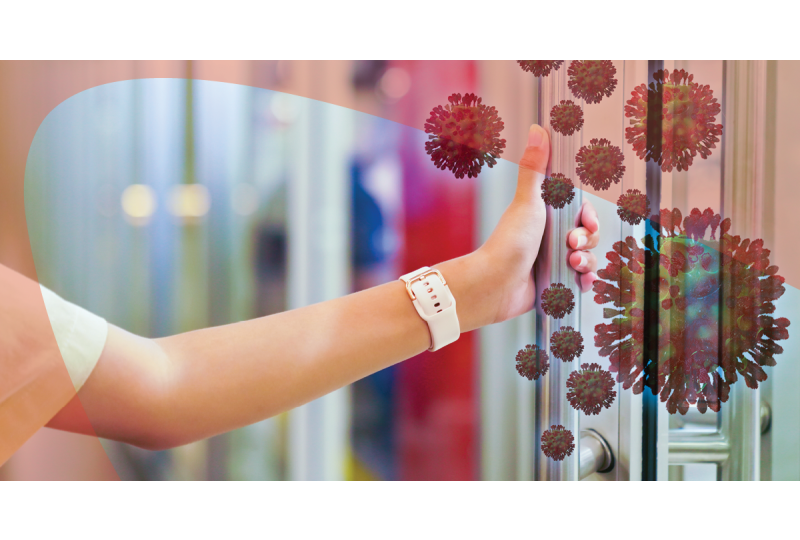
Viruses, from the common cold to highly contagious gastrointestinal illnesses, pose a persistent threat in communal spaces. Facility managers and janitorial teams are on the front line of defence, playing a critical role in curbing the spread of infections. This article outlines general strategies and effective cleaning practices to safeguard occupants and maintain healthy environments.
How Do Viruses Spread?
Viruses can spread through direct contact, respiratory droplets, contaminated surfaces, or shared items. A recent study found that a single surface can spread a virus to 50% of touchpoints injust two to four hours. This rapid spread highlights how easily viruses can contaminate an entire building, from offices to bathrooms, if high-touch areas aren't regularly cleaned and disinfected. Understanding how fast and far viruses can travel on common surfaces underscores the importance of proactive cleaning and disinfection in maintaining a safe, healthy environment.
Understanding High-Touch Surfaces
High-touch surfaces in your facility are critical areas where viruses and bacteria can spread quickly. These surfaces are touched by multiple people throughout the day, often without anyone realizing how easily contamination can occur. Common examples include:
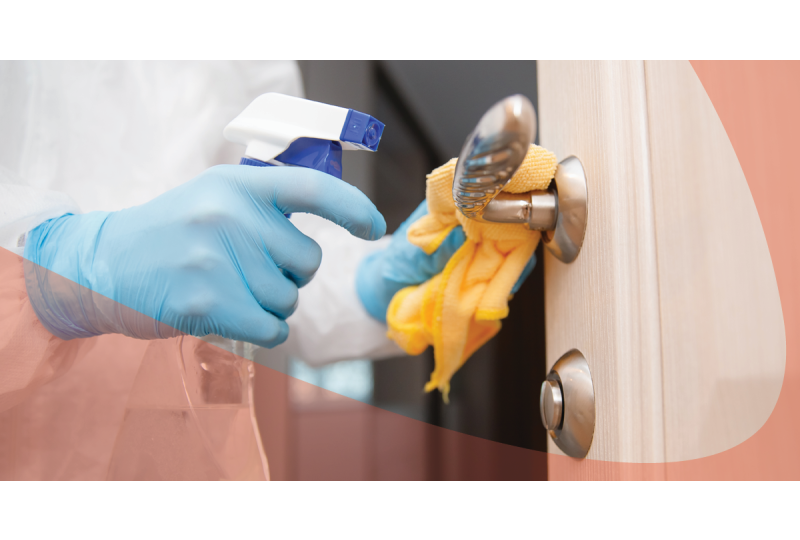
- Door Handles and Push Plates: Regularly touched at building entrances, restrooms, and offices.
- Elevator Buttons and Light Switches: These are easily forgotten but used countless times daily.
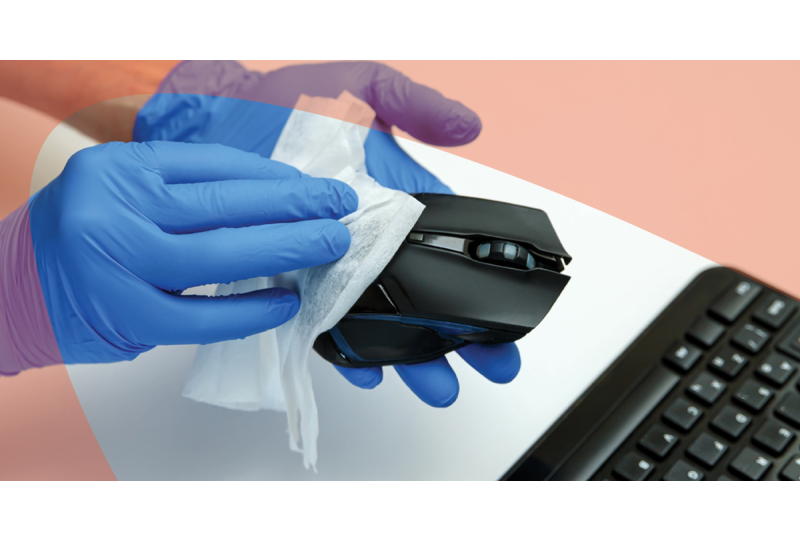
- Shared Electronics: Keyboards, phones, tablets, and payment terminals are magnets for germs from frequent handling.
- Tabletops and Counters: Found in common areas like breakrooms or meeting rooms where people gather.
Focusing your cleaning efforts on these high-touch areas can significantly reduce cross-contamination and help maintain a safer, healthier environment. Pair this knowledge with targeted disinfection practices and effective products to keep your facility protected.
Setting Up a Proactive Cleaning Plan
Routine Cleaning vs. Targeted Disinfection
Routine Cleaning focuses on removing visible dirt, debris, and impurities from surfaces. It is essential for maintaining the general appearance and hygiene of a facility and creating an environment where germs are less likely to thrive. Tools like microfiber cloths and neutral cleaning solutions are typically used to prevent build-up on surfaces.
Targeted Disinfection, on the other hand, goes beyond surface cleaning to eliminate harmful pathogens. Disinfectants are specifically designed to kill viruses, bacteria, and other microorganisms that pose health risks. This process is crucial for high-touch surfaces and during outbreak periods. Combining routine cleaning with targeted disinfection ensures both cleanliness and safety, creating a healthier environment for occupants.
Proper disinfection isn’t just about applying the right product—it’s also about ensuring adequate dwell time, the period the disinfectant must remain wet on a surface to kill pathogens effectively. Without allowing the full dwell time specified on the label, the disinfectant may not eliminate all targeted viruses or bacteria, compromising your efforts.
You can read more about the difference between cleaners, sanitizers and disinfectants here.
Frequency Matters
High-traffic areas and frequently touched surfaces should be disinfected multiple times daily during outbreak periods.
Selecting Effective Cleaning and Disinfection Products
Approved Disinfectants for Viruses
Choose products compliant with health regulations, and proven effective against a range of viruses, including EPA-registered or Health Canada-approved disinfectants.
According to a study, using disinfecting sprays or wipes containing quaternary ammonium compounds (QUATS) registered by EPA as effective against viruses like norovirus and flu, along with hand hygiene, reduced virus spread by 80 to 99 percent. touchpoints 2
We recommend:
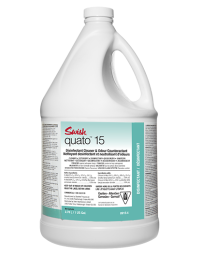
Swish® Quato 15 Disinfectant Cleaner & Odour Counteractant
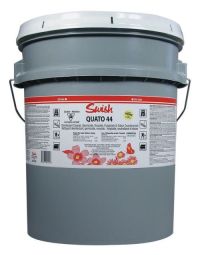
Swish® Quato™ 44 General Purpose Disinfectant
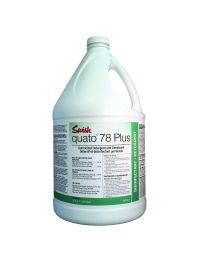
Swish® Quato 78 Plus Germicidal Detergent & Deodorant
Swish® Miracle Disinfectant Spray & Wipe Cleaner
Read Labels Carefully
Focus on kill claims (or the specific viruses, bacteria, or pathogens the disinfectant is proven to eliminate) and adhere to recommended dwell times (the amount of time the disinfectant must remain wet on the surface to effectively kill the targeted pathogens) for maximum effectiveness.
Steps for Effective Cleaning and Disinfection
Step 1: Pre-Clean
Remove visible dirt and debris, as disinfectants work best on clean surfaces.
Step 2: Disinfect Properly
Use microfiber cloths or disposable wipes to apply disinfectants evenly, ensuring proper contact (dwell) time.
Step 3: Avoid Cross-Contamination
Utilize colour-coded tools to separate cleaning areas (e.g., restrooms vs. dining areas).
Encourage Good Hand Hygiene Practices
Choose the Right Hand Soap
Provide high-quality hand soaps that are effective yet gentle on skin. Consider options like unscented or hypoallergenic formulas, such as ALLORGANIC® Unscented Soap, or refreshing options like the new grapefruit fresh scent hand soap from the Enviro-Solutions® range. These encourage frequent handwashing by being pleasant and skin-friendly.
Educate on Proper Techniques
Use clear signage to demonstrate proper handwashing steps, including duration (20 seconds minimum) and technique to effectively remove dirt and pathogens.
Supplement with Hand Sanitizers
Place hand sanitizer dispensers at key points, especially where soap and water may not be readily available, like near entrances and conference rooms.
Boost Indoor Air Quality
The Importance of Clean Air
Poor indoor air quality can contribute to the airborne transmission of viruses, allergens, and other contaminants. Improving air circulation and filtration is critical in reducing these risks and creating a healthier environment.
Utilize High-Efficiency Particulate Air (HEPA) Filters
HEPA filters are designed to capture 99.97% of particles as small as 0.3 microns, including many airborne pathogens. Upgrading your HVAC system or portable air purifiers with HEPA filters can significantly improve the cleanliness of indoor air.
Choose Reliable Air Purifiers
Portable air purifiers are a convenient and effective solution for enhancing air quality in specific areas. The Fellowes® AeraMax Pro Air Purifier is a trusted option, offering advanced filtration technology, including true HEPA filters, to capture pollutants and viruses in real time. This compact yet powerful purifier is ideal for offices, meeting rooms, and other high-traffic areas where maintaining clean air is critical.
Ensure Regular Maintenance
Clean or replace air filters according to manufacturer guidelines to maintain optimal performance. Dirty or clogged filters can compromise air quality and reduce efficiency.
Employee and Occupant Safety
Essential PPE for Cleaning:
Provide gloves, masks, eye protection, and aprons to shield staff from potential exposure to harmful pathogens and chemicals.
Label Awareness:
Ensure all cleaning staff understand product labels, including potential hazards and safe handling instructions.
Training on Dilution Systems:
Offer hands-on training for using chemical dilution systems to prevent overuse and accidental exposure to concentrated solutions.
Verifying Cleaning Effectiveness
Implement quality assurance programs like Swish Clean Checkup™, which can assess cleaning efficiency using data and testing methods.
Conclusion:
Preventing the spread of viruses is an ongoing effort requiring diligence, the right tools, and comprehensive cleaning protocols. By prioritizing sanitation, encouraging hand hygiene, and investing in effective products, facility managers can create safer environments for everyone.