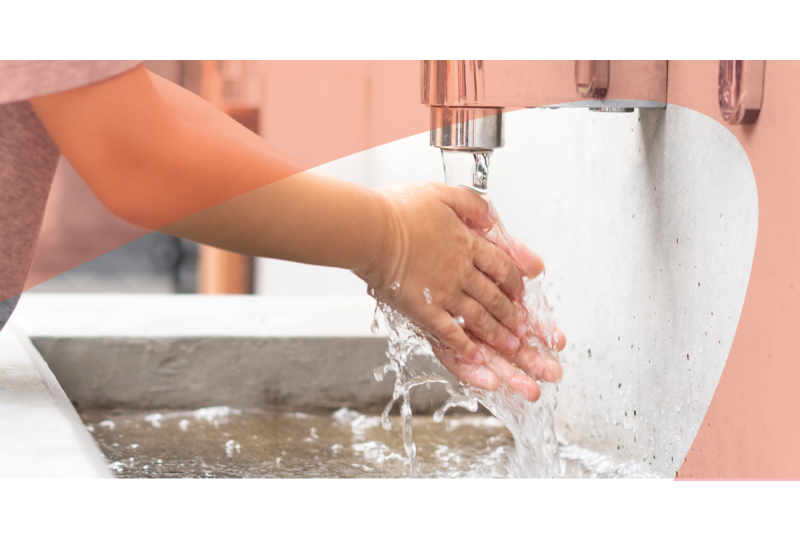
Hand hygiene may feel like "old news," but it’s still one of the most important habits for maintaining health and preventing the spread of illness. Many people have become less vigilant over time, often failing to follow technique, frequency, or even the right products. Handwashing isn’t just a pandemic measure—it’s an essential daily practice for everyone.
So, why are clean hands still so important, and what can be done to ensure people take them seriously?
Which diseases does handwashing with soap help to prevent?
Handwashing with soap can help protect against a variety of common illnesses, including the flu, common cold, and gastrointestinal diseases like diarrhea. But it also defends against more serious infections, such as pneumonia and foodborne illnesses. Washing hands at key moments—after using the toilet, before eating, or when handling food—breaks the chain of transmission, significantly reducing the risk of spreading germs.
Does handwashing have any benefits beyond health?
Yes, clean hands don’t just benefit your health—they contribute to a more productive and positive environment. In workplaces, schools, and other shared spaces, fewer people getting sick means fewer disruptions. Reduced absenteeism helps teams stay on track and creates a healthier, more collaborative atmosphere. Hand hygiene is about more than preventing illness; it’s about promoting well-being and community care.
How can you change people’s handwashing behaviours?
Encouraging people to wash their hands regularly can be a challenge, but visibility and ease are key. One way to change behaviour is to ensure that handwashing facilities are easily accessible and fully stocked with quality soap and sanitizers. Signage, reminders, and even staff engagement campaigns can help raise awareness about the importance of clean hands. Creating a culture where hand hygiene is the norm encourages others to follow suit.
What can be done to promote handwashing at your facilities?
If you're responsible for promoting hand hygiene in your facility, small changes can make a big impact. Ensure soap dispensers are conveniently located in high-traffic areas, especially near restrooms and food preparation stations. Make sure hand sanitizer is available for quick hygiene on the go. To support these efforts, products like the Enviro-Solutions Hand Hygiene range offer solutions tailored to every setting.
- The new grapefruit fresh scent hand soap provides a refreshing, pleasant experience, encouraging regular use.
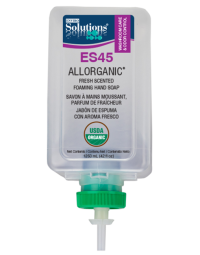
- For those with sensitive skin or eco-conscious users, the ALLORGANIC unscented soap offers a gentle, effective clean without fragrances or harmful ingredients.
- Enviro-Solutions sanitizers are ideal for quick hand hygiene in environments where soap and water aren’t readily available. They offer an effective layer of protection against germs.
By choosing the right products for your facility or home, you ensure that handwashing is not only effective but also convenient and enjoyable.
Do you still need to wash your hands if you are wearing gloves?
It’s a common misconception that wearing gloves eliminates the need for hand hygiene. While gloves provide a protective barrier, they can still become contaminated during use—and touching your face or other surfaces with gloved hands can transfer germs just as easily as bare hands. Plus, removing gloves improperly can expose you to what’s on them.
Proper hand hygiene before and after wearing gloves is critical. Washing your hands before gloving helps prevent contamination from the start, and washing afterward removes any germs that might have made contact during removal. Hand sanitizers are also a useful option when soap and water aren’t available.
Gloves are a valuable tool in many settings, but they’re not a substitute for clean hands. Hand hygiene remains the first and last line of defense—whether you’re gloved or not.
How much hand soap should you use?
Even with proper handwashing techniques, many people use too little soap to be fully effective. For a refresher on how much soap to use and the best handwashing practices, check out our detailed guide on "How much hand soap should you use?". It’s a quick reminder that can make all the difference.