With so many different laundry products available on the market, all with unique uses and strengths, the industrial laundry room can transform into a chemical testing lab. Should you opt for a built detergent, pre-combined? Or create a custom formula for each use case?
Innovations in laundry formulas provide more flexible options for clean and bright laundry. However, selecting commercial laundry chemicals depend on several factors unique to your circumstances.
This article covers critical factors in selecting the best laundry detergent for your facility.
1) Type of Machine
Industrial laundry machines come in two main categories; programmable and non-programmable. Both are made to use commercial-grade chemicals; however, their setup determines whether you can use pre-combined formulas (or Built Detergents) or a custom combination of products (including breaks, suds, sours, destainers and softeners).
Along with the available cycle programs, you must consider the drum capacity to accommodate your volume and related energy requirements.
If your machine is high-efficiency (HE), you should use high-efficiency detergents, designed to work with lower water levels and less tumbling action. HE detergents are typically low foaming, dissolving and washing away with less water. Regular detergents used in a high-efficiency machine could leave residue and require additional cold water cycles to rinse thoroughly.
Note - Homestyle machines cannot tolerate commercial-grade chemicals because they are corrosive to the drum and will not be appropriately diluted. You should only use consumer-grade detergents, destainers and softeners for homestyle machines.
2) Water Quality
Water Hardness
Chances are, your facility has hard water (most of Canada does), and it is sabotaging your laundry. Hard water has minerals (calcium and magnesium) that deposit onto the fabric and allow the soils and detergent residues to build up, weakening fabrics and causing discoloration.
Hard water laundry symptoms include:
- Yellowing or greying of white fabric
- Soil build-ups that do go away even with rewash
- Stiff, hardened fabrics
- Tearing or breakdown of fibres
- White or grey streaks on coloured fabrics
Accommodating Hard water
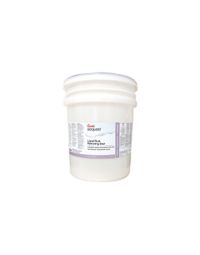
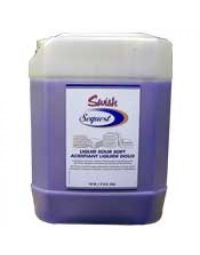
When you test your water, if it measures over 12 GPG (grains per gallon), you will likely need separate Break and Suds products to accommodate water conditioning. Hard water also requires special softeners to ensure no residue is left behind. Swish® Sequest Liquid Sour Soft counterbalances harmful chemical deposition while reducing wrinkles and static.
Bicarbonate alkalinity & Iron Levels
pH measures how acidic or basic something is and is integral to the laundry cleaning process. The pH of water ranges from 4-9, and the chemicals used during a laundry cycle either increase or decrease the pH. Bicarbonates naturally occur in the earth’s soil and filter into the water supply, but they make it harder to change the pH of the washing solution during a cycle.
High iron levels in your wash water usually come from older cast iron water piping systems that are eroding. Red, yellow or brown stains are common symptoms of high iron levels. Iron can also interact with chlorine bleach, causing the yellowing of white fabrics.
Accommodating Bicarbonate alkalinity and Iron
Sours reduce the pH of the textiles, and to compensate for the elevated levels, you can separately add more Sour without increasing the amount of softener. Being able to control the volume of sours and softeners is helpful as too much softener can cause waterproofing of the fabric - a buildup that does not allow the water to saturate and remove the soil. Swish Sequest Liquid Rust Removing Sour helps reduce the pH to eliminate iron stains.
It's essential to find a qualified company that will test your water and provide a comprehensive plan to treat the water based on your needs. Your distributor can then work with you to determine which chemical laundry program to accommodate the water quality.
3) Type of Fabric
Countless fabrics available include natural fibres (like cotton, silk or wool) and synthetic fibres (like polyester, nylon, or rayon). The various materials in fabrics react differently, including their:
Colour-fastness: This is the resistance to changing their colour characteristics. The dye can fade, transfer or absorb other colours.
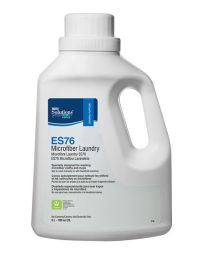
Resistance to abrasions: This determines how robust the fabric is. Certain materials break down more quickly or pill (little balls of fibre that build up on the fabric). Reducing the mechanical action and using effective chemicals in shorter cycles can help increase the linen life. Microfibre cleaning cloths are uniquely woven and need particular, quick-acting, disinfecting detergents to keep them as effective as possible, like Enviro-Solutions® ES76 Microfibre Laundry detergent.
Affinity for oils. Synthetic fibres like polyester are made from petrol and are attracted to oil stains, which can set in permanently if not treated appropriately. Polyester is very resistant to chlorine, oxygen bleaches and mineral acids; however, cleaning with high alkalinity is effective.
Water Affinity: Cotton is “water-loving,” making it easier to clean, as it attracts more water-soluble soils and repels greasy, oily ones. Polyester is water-hating and requires chemicals to help bind with the oily residues without compromising the fabric.
Before you wash any fabric, read the fabric tag to ensure proper washing conditions. Generally, most fabrics require cooler temperatures, avoiding chlorine bleach or short cycles to promote fabric life. To extend the life of your fabrics, look for those with high abrasion resistance and bursting strength (those that do not easily break under pressure).
4) Type of soils
In your quest for cleaner linens and uniforms, you may use more detergent and higher heat than you need to, wasting product and money and leaving residue or detergent stains.
Heavy soils, sweat, food, and grease may need high-performance laundry detergents with the appropriate types of enzymes (Protease for proteins etc.).
Pre-treating soils and stains help to reduce the chance of them setting in and potential rewashes.
Prespotting treats only the stained or soiled area on the fabric by wetting and applying the chemical directly to the fibres. The material is then immediately washed. If the fabric is not wetted, fabric damage can result from direct contact with chemicals.
Presoaking involves a container of diluted presoak (a combination of surfactants, solvents, alkalies and enzymes) and submerging the entire fabric in the solution. This treats fabric as the whole, not just the heavily soiled areas.
Soil classifications include:
Soluble Soils: Are easily dissolved in water like sugars, blood and starch.
Saponifiable Soils: Typically animal fats, vegetable oils or greases that react with solutions with a high pH and are converted to water-soluble soaps, making them easier to rinse from the fabric.
Emulsifiable soils: Often petroleum-based, such as motor or mineral oil, these do not react with a high pH, so require additional products like degreasers. We recommend Swish’s Sequest Power Plus Degreaser.
Particulate soils: Particles like sand, dirt, or concrete are removed mainly through water and mechanical action, but detergents help to suspend the soils to make them easier to wash out.
5) Fragrance preference
Research has shown that humans are wired to associate certain fragrances with cleanliness, as our sense of smell is linked to the human limbic system of the brain (the region where emotions and memories also reside). Selecting a familiar, nostalgic fragrance in bed linens can make your guests or residents feel at home. Over time, people associate certain smells (lemon, lavender, ocean breeze) with the perception of cleanliness. There is a reason that scented candles smell of “fresh laundry.” If your linens and towels smell musty, they seem dirty; but appear clean with the right kind of fragrances.
You may need to or choose to use fragrance-free options to avoid potential allergic reactions. Ecologo-certified products like Swish’s Clean & Green® Laundry Detergent use natural ingredients and have no harsh chemicals, dyes or fragrances that are easier on the skin and environment.
6) Price
Detergents with a higher concentration of active ingredients like surfactants and enzymes tend to cost upfront; however, you must consider the frequency of laundering and the impact on your linen life. Underperforming and misused products can lead to rejection and rewashes, shortening the life of your assets.
Using auto-dispensing systems helps to avoid the overuse of products. Always follow manufacturers' guidance. Using too much can damage fabrics, leave residue and require rewashes. Using too little also leads to rejection and rewashes, requiring more resources.
If your machine and programs allow it, using detergents optimized for cold water can help to reduce energy costs, offsetting the cost of the chemicals.
7) People Coming Into Contact With Your Fabrics
You will also need to consider the people coming into contact with the laundered fabrics. Who will sleep on the sheets or wear the uniforms or clothing? High-temperature formulas or EPA-approved chemical sanitizers may be required in healthcare or long-term care facilities. Additionally, consider gentle detergents free from colourants and fragrances for sensitive skin.
Different industries create challenges - automotive garages and motor oil, restaurants and tomato sauce stains, hospitals infectious bodily fluids. The services you provide at your facility predetermine the required laundry factors.
Commercial Laundry Chemical Recommendations
If you are responsible for on-premise laundry at your facility, you know that you aren’t simply removing stains but investing in a safer, more pleasant experience for your customers, guests, or residents. This starts by choosing safe and effective laundry chemicals for your program.
Swish has specialist Laundry, Kitchen and Warewash teams that can help guide you through selection.